
Face
Rhinoplasty
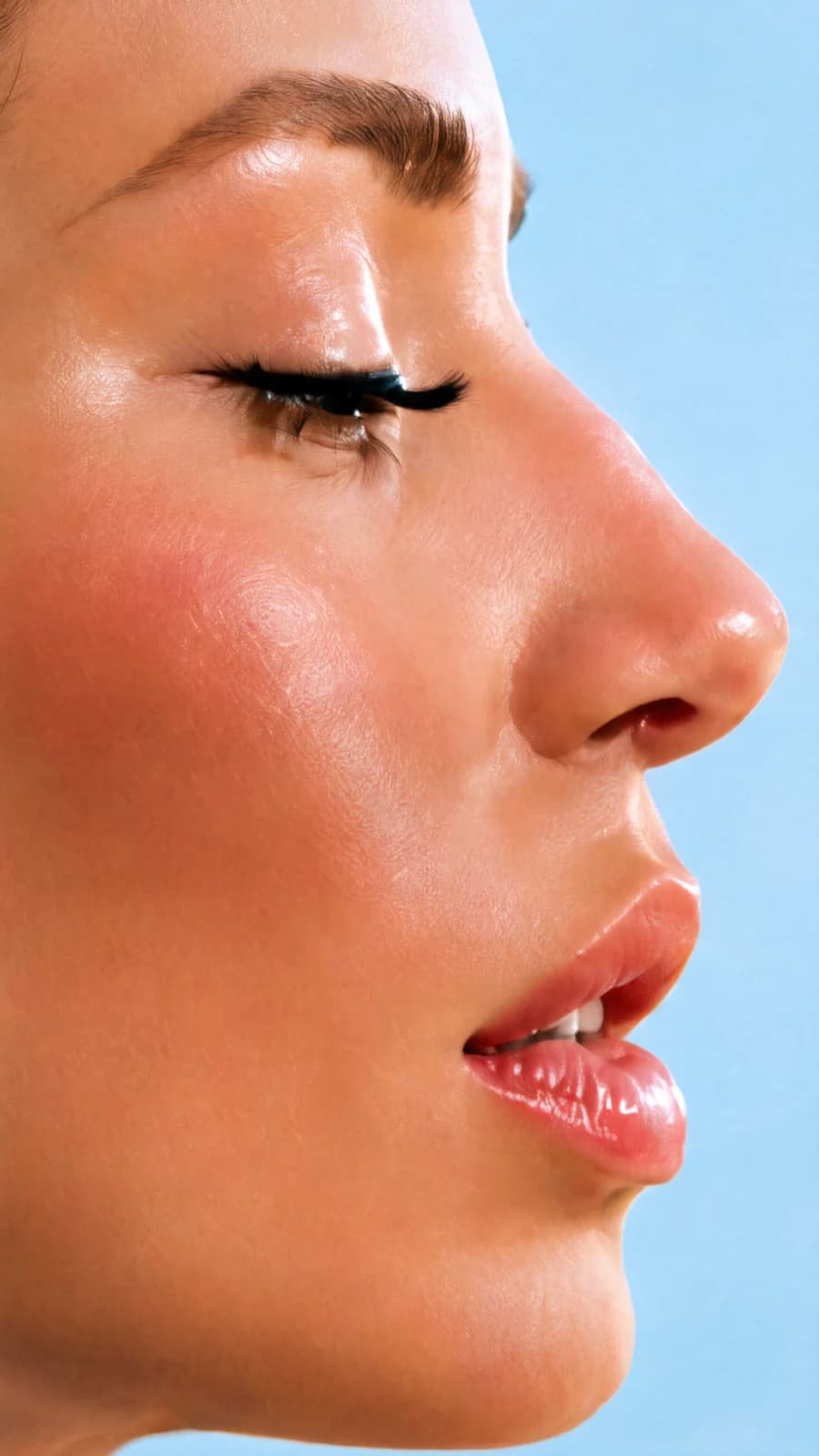
Rhinoplasty reshapes the bone, cartilage, and soft tissue of the nose. The plan may focus on appearance, nasal function, reconstruction, or a combination, but cosmetic and breathing concerns require separate evaluation. The approach and likely limits depend on your anatomy, skin, prior surgery, and goals.
Quick Facts
- Individualized to nasal anatomy and facial structure
- Open and closed approaches provide different access for different surgical needs
- Revision rhinoplasty is generally more complex than a first operation
What Can Rhinoplasty Change?
Rhinoplasty may change the bridge, tip, nostrils, width, projection, or overall proportion of the nose. It can improve a feature or balance, but it cannot create a perfect nose, guarantee symmetry, or reproduce another person's result.
Breathing difficulty may involve the septum, nasal valves, turbinates, allergies, or other causes. Cosmetic rhinoplasty does not automatically correct nasal obstruction. A functional evaluation should identify whether septoplasty, another treatment, or an additional specialist is appropriate.
Open and Closed Rhinoplasty
Open rhinoplasty adds a small incision across the columella, the tissue between the nostrils, to provide direct access to nasal structures. Closed rhinoplasty uses incisions inside the nostrils. Neither approach is automatically better; the appropriate access depends on the changes required and the surgeon's plan.
Bone or cartilage may be reshaped, repositioned, removed, or supported with grafts. The anesthesia plan, incision approach, graft source if one is needed, and use of internal or external splints should be discussed before surgery.
Revision Rhinoplasty
Revision rhinoplasty addresses concerns after prior nose surgery. Scar tissue, altered anatomy, limited remaining cartilage, skin characteristics, and the reason for revision can make planning and healing less predictable than with a first rhinoplasty.
Bring prior operative records and clear photographs if available. A surgeon should explain what can realistically be changed, whether graft material may be needed, and why waiting for prior healing may be recommended.
Risks and Recovery Planning
Risks can include anesthesia complications, bleeding, infection, poor wound healing, unfavorable scarring, persistent swelling, changes in sensation, skin discoloration, asymmetry or contour irregularity, nasal obstruction or other breathing difficulty, septal perforation, pain, and the possibility of revision surgery. This is not a complete list.
A splint or other support may be used, and bruising, swelling, congestion, and temporary asymmetry can occur. The nose continues to change as swelling settles, so early appearance is not the final result. Work, exercise, glasses, contact sports, sun exposure, and travel instructions must come from the clinical team.
Traveling to Miami for Rhinoplasty
Out-of-town patients should confirm medical-clearance steps, arrival timing, transportation, local accommodation, the first follow-up visit, and when the clinical team may consider flying or a long drive appropriate before booking nonrefundable travel.
Confirm the required local stay for your rhinoplasty directly with the office before booking. Do not apply the body-surgery or breast-surgery stay requirements to your rhinoplasty plan.
Questions to Bring to Your Consultation
- Which concerns are cosmetic, functional, or both?
- Would an open or closed approach be used, and why?
- Would cartilage grafting or septal work be part of the plan?
- What asymmetry or structural limits are likely to remain?
- What risks and alternatives are most relevant to my anatomy and history?
- If this is a revision, what records and healing time are needed?
- May I review cases with a similar starting nose, skin, and goals?
Rhinoplasty Photos and Consultation Planning
Use the rhinoplasty gallery to prepare specific questions about goals and case context, then independently verify the surgeon and proposed surgical setting before you schedule.
For current rhinoplasty pricing, use the consultation request or call the office.
Rhinoplasty carries surgical risk, and no shape, symmetry, breathing change, scar, or recovery can be guaranteed. Your consultation and consent process should distinguish cosmetic and functional goals and explain the approach, limits, risks, alternatives, and healing timeline for your case.
Define the goal before choosing the approach
Request a private consultation to discuss your nasal anatomy, cosmetic and breathing concerns, prior surgery if any, and what rhinoplasty may and may not change.