
The essentials
- Verify the exact certification, not just the phrase board-certified.
- Compare evidence relevant to your procedure.
- A national search still needs an individual assessment of fit and care.
Verify credentials in their original sources
Ask for the surgeon's legal name and exact certifying board. Use the board's own public information and the relevant state medical board to check current status. A medical license and specialty certification answer different questions.
ASPS provides patient-safety information about selecting a plastic surgeon and checking the surgical setting. Credentials are a starting point for evaluating care, not a guarantee of a particular result.
Look for procedure-specific evidence
A surgeon's broad visibility does not explain their experience with your proposed operation. Ask what they perform, how they evaluate a patient like you, and which alternatives they would consider.
Use before-and-after photos to prepare questions rather than to select a promised body or face. Ask who performed the operation, which procedures were combined, and when the after image was taken. Consistent photo presentation makes comparison more meaningful, but it cannot show the full course of care.
- How does my starting anatomy affect the plan?
- What outcomes or limitations do your examples not show?
- What would make you advise against this operation?
Evaluate how the consultation handles uncertainty
The consultation should make the recommendation easier to understand. Ask why a procedure is being proposed, what it cannot achieve, and what risks and alternatives deserve attention.
Keep a short record of unanswered questions. A second opinion can help if the plan remains unclear or if different recommendations are difficult to compare. There is no need to make a same-day decision simply because a consultation was offered.
- Can the surgeon explain the plan in language I understand?
- Can I discuss a smaller plan or no surgery?
- Are expectations being explored, rather than simply agreed with?
Compare the people and follow-up around the surgery
Identify the exact facility, anesthesia professional, and clinical contact after surgery. Ask how to verify relevant facility credentials and how complications would be assessed and managed.
If you are considering a surgeon outside your city, compare the full travel and follow-up plan. The question is not only who will operate, but who is responsible before surgery, during the local stay, and after you return home.
- Who answers clinical questions after hours?
- Which visits must be in person?
- How is care coordinated if I need help near home?
Turn your shortlist into an informed decision
Compare the same five categories for each surgeon: credentials, relevant experience, the explanation of your plan, the surgical setting, and follow-up. Add cost only after you know whether the estimates describe comparable care.
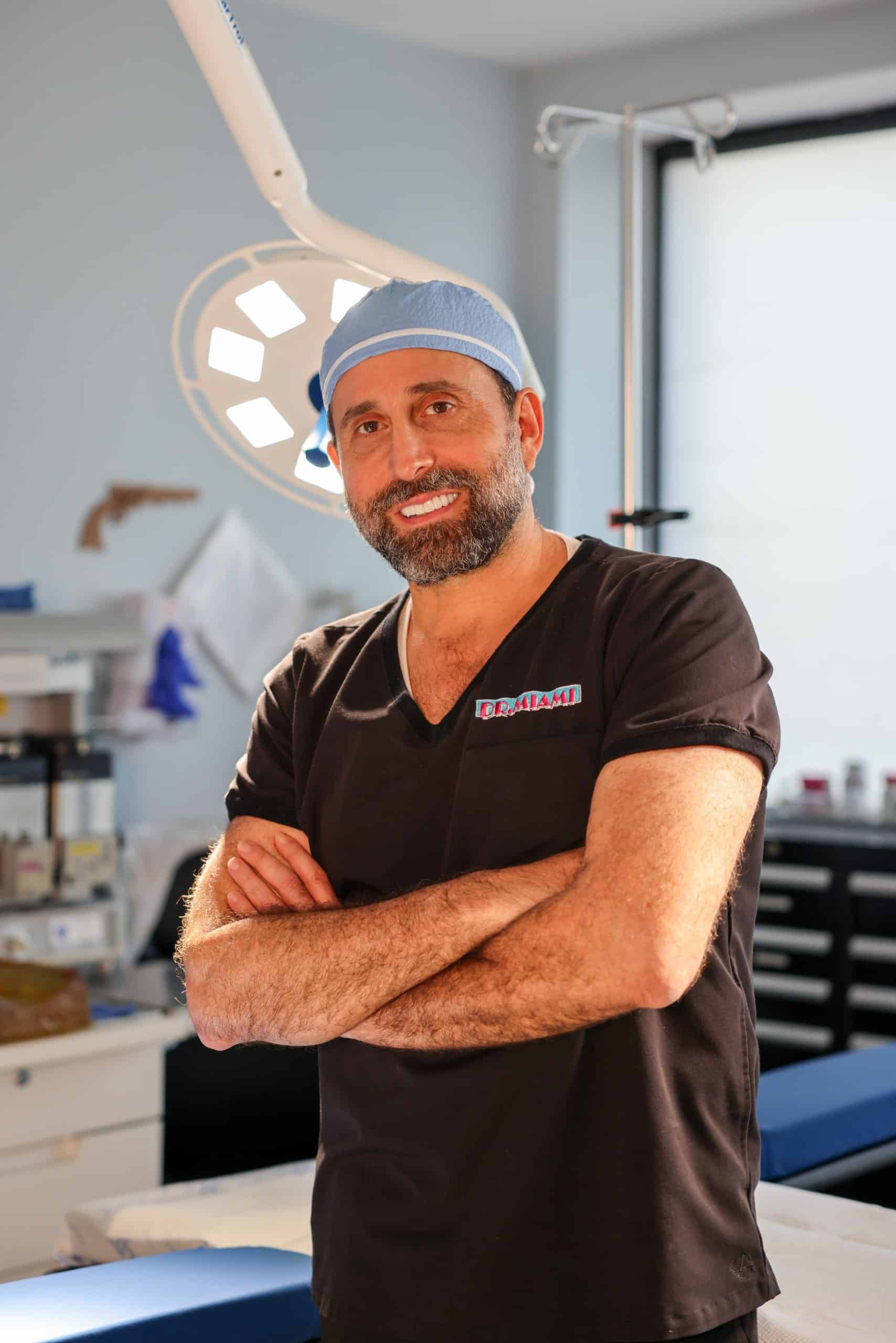
If Dr. Miami is on your shortlist, review the surgeon information and bring this framework to your consultation. This is a guide to evaluating a practice, not a claim that one surgeon is best for every person or procedure.
- Keep verified facts separate from advertising claims.
- Ask for clarification wherever a recommendation is vague.
- Choose only after you understand the risks, alternatives, and responsibilities.
Your next step
Bring your questions to Dr. Miami.
Use this guide to prepare for an individual conversation about your goals, options, and care.
Request a consultation