
For Men
Plastic Surgery For Men
Plastic surgery for men is not one procedure or one look. Options may include male breast reduction for gynecomastia, liposuction, rhinoplasty, or chin implant planning. The useful starting point is the specific concern, followed by an individual evaluation of anatomy, health, scars, tradeoffs, and recovery.
Quick Facts
- Gynecomastia planning distinguishes glandular tissue, fat, and excess skin
- Liposuction removes localized fat but does not remove substantial loose skin
- Facial procedures are planned around individual anatomy rather than a standard masculine result
What Is Male Breast Reduction for Gynecomastia?
Gynecomastia means enlarged or overdeveloped male breast tissue. Evaluation should distinguish glandular tissue, fat, and excess skin and review medications or substances, weight change, symptoms, and whether another medical evaluation is appropriate.
Depending on the case, surgery may involve liposuction, removal of glandular tissue, skin removal, or a combination. More extensive tissue or skin removal generally means different incisions and scars. Surgery cannot promise a perfectly flat or symmetric chest.
Liposuction and Body Contouring
Liposuction can contour selected areas of localized fat, such as the abdomen, waist, chest, back, or under the chin. It is not a weight-loss treatment and does not remove a large amount of loose skin. If skin laxity is the main concern, another procedure may be more appropriate.
Procedure planning depends on anatomy, skin quality, health, weight stability, goals, and medical eligibility. Ask where incisions would be placed and what contour limitations or existing asymmetry may remain.
Rhinoplasty and Chin Implant Planning
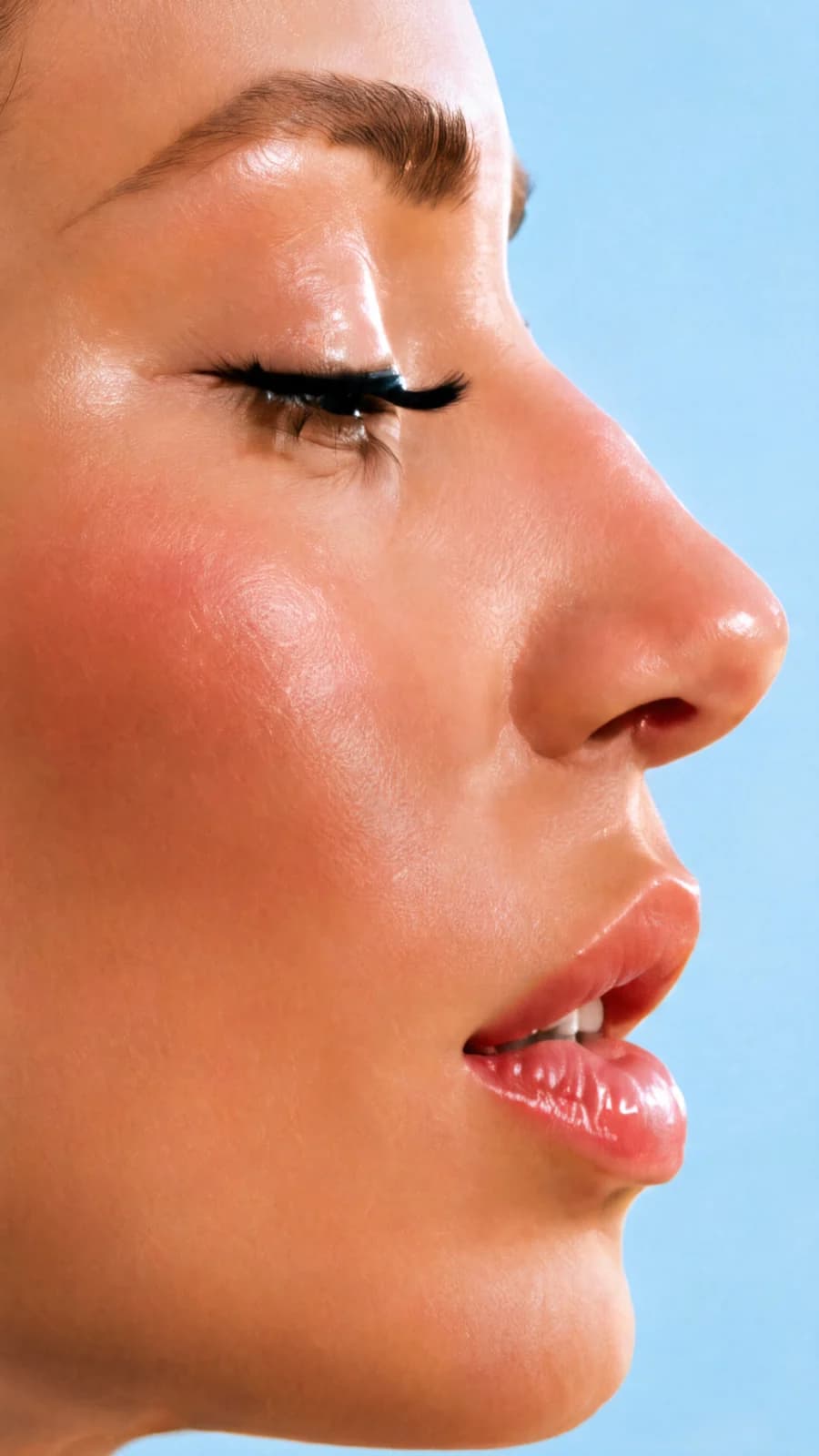
Rhinoplasty may address the bridge, tip, nostrils, proportion, prior injury, or selected breathing concerns after appropriate evaluation. Chin implant planning adds projection with a medical device. Each operation changes a different part of the profile and carries its own risks and limitations.
A consultation should focus on your features and priorities rather than a fixed idea of what a male nose or jaw should look like. Photographs can help communicate a direction, but they cannot serve as a guaranteed surgical template.
Risks and Recovery Depend on the Procedure
There is no single recovery timeline for plastic surgery for men. Gynecomastia surgery, liposuction, rhinoplasty, and chin implant surgery involve different incisions, swelling patterns, garments or splints, activity limits, and follow-up needs.
Possible risks across these operations can include anesthesia complications, bleeding, infection, fluid accumulation, blood clots, poor wound healing, unfavorable scarring, changes in sensation, asymmetry or contour irregularity, implant-related complications when a device is used, and revision surgery. The consent discussion must cover the risks specific to the proposed procedure.
Traveling to Miami for Surgery
Before booking travel, confirm the exact procedure, medical-clearance steps, arrival timing, required local stay, transportation, a responsible adult, follow-up, and when the clinical team may consider a long drive or flight appropriate.
Current office policy requires eight nights for body surgery and three nights for breast-only surgery. It does not provide one stay length for every facial procedure. The hotel room is billed separately from the recovery package. Confirm which rule and services apply to your plan directly with the office before purchasing nonrefundable travel.
Questions to Bring to Your Consultation
- What tissue or structure is causing the concern I want to address?
- What can this procedure reasonably change, and what is likely to remain?
- Where would the incisions and scars be?
- What procedure-specific risks and alternatives apply to me?
- What will I need to plan around work, training, caregiving, and travel?
- May I review cases with anatomy and goals similar to mine?
Consultation and Planning Resources for Men
Use these existing resources to review related procedure information, compare before-and-after photos carefully, and prepare questions for a consultation.
For current plastic surgery for men pricing, use the consultation request or call the office.
Every operation carries risk, and no shape, symmetry, scar, or recovery can be guaranteed. Procedure choice should follow an individual medical evaluation and a clear discussion of alternatives, limitations, and the recovery plan.
Start with your specific concern
Request a private consultation to discuss the feature or area you want to address and which procedure, if any, may fit your anatomy, health, and goals.